A Nonprofit Capacity-Building Partnership
Bringing the Lifecycles Approach to the Nonprofits in Greater Worcester
The nonprofit ecosystem in Greater Worcester, MA was strengthened last fall when the Greater Worcester Community Foundation (GWCF) invited experienced Lifecycles-trained consultant Heidi Holtz to present on the Lifecycles model—a proven framework for understanding and supporting nonprofit capacity building and long-term sustainability.
On October 23, more than 50 nonprofit leaders gathered for the free, three-hour Nonprofit Lifecycles workshop hosted by GWCF’s Nonprofit Support Center. With support from GWCF’s renewed $1M, three-year investment in the Center, the workshop offered an open door for nonprofits across Worcester County to engage in learning, connection, and conversation.
“(The Lifecycles) model is a tremendous tool—but not enough local nonprofits knew about it,” said Sarah Shugue, GWCF’s Director of Grantmaking and Capacity Building. “We were thrilled to bring Heidi in and partner with her on this.”
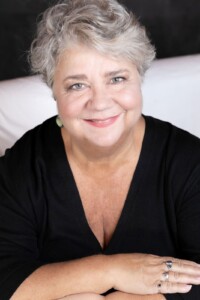
Heidi Holtz
From Syracuse to Worcester: A Shared Vision
Peter Dunn, CEO of GWCF, gained firsthand insight into the strategic value of NLI’s Lifecycles model during his tenure at the Central New York Community Foundation. “As we recommitted to capacity-building in Worcester, introducing Lifecycles was a natural next step,” said Dunn.
The workshop introduced core Lifecycles concepts—such as stage-based capacity building, table legs alignment, and the readiness to grow—and invited participants to reflect on their own organization’s Lifecycle stage. The conversation set the foundation for long-term capacity planning grounded in self-awareness and shared understanding.
Creative Capacity: Lifecycles for Arts Organizations
After the main session, GWCF organized a special arts luncheon with Holtz, building on their Creative Commonwealth partnership with the Barr Foundation. Around 20 people from diverse arts groups—from grassroots collectives to long-standing nonprofits—joined the conversation. While many arts organizations have unique structures, including fully volunteer-run models, Holtz emphasized the adaptability of the Lifecycles framework.
“It became clear that the model is flexible and adaptable,” said Holtz. “The diversity of organizations in the room enriched the conversation and demonstrated how universal these capacity questions are—regardless of staffing or size.”
Holtz is currently working with several Worcester-area nonprofits as they explore the model, saying, “A crucial aspect of implementing this model is ensuring that an organization fully embraces its framework. This allows them to use the assessment as a jumping-off point for planning.”
Adapting to Change and Building Resilience
As Worcester’s nonprofit community navigates a changing environment, the Lifecycles framework offers a pathway to nonprofit sustainability—building readiness, resilience, and long-term relevance. The workshop emphasized the importance of aligning an organization’s ambitions with its infrastructure and leadership capacity, ensuring that growth is both strategic and sustainable.
“The feedback from the workshop was tremendous, “said Shugue. “People are thinking differently about their organizations, how to grow, and now have a tangible way to organize their leadership about their growth—especially during uncertain times.”
Holtz captured it succinctly: “It’s so important for nonprofits to understand their capacity so they can be prepared for anything. If you have your table legs in alignment, they’re not going to get knocked out from underneath you.”
Worcester’s nonprofit sector is gaining fresh momentum thanks to GWCF’s strategic initiative and the hands-on leadership of NLI member Holtz.
“We’re thrilled to see Worcester’s nonprofit community embracing the Nonprofit Lifecycles model,” said Jennifer Bonnett, President and CEO of Nonprofit Lifecycles Institute. “By investing in shared learning and scalable frameworks, they’re building resilience, deepening relevance, and driving long-term impact—exactly what this model was designed to support.”