Funders Partnering for Nonprofit Strength:
How Funders and Nonprofit Lifecycles Institute Build Sustainable Organizations Through Cohort‑Based Programs
Funders like the Gifford Foundation are redefining what meaningful investment looks like by partnering with the Nonprofit Lifecycles Institute to build stronger, more resilient nonprofit organizations through cohort-based capacity programs. In its recently completed third cycle, Embracing Disruption united organizations in a supportive learning cohort and provided one‑on‑one consulting, underscoring that sustainable impact goes far beyond funding programs.
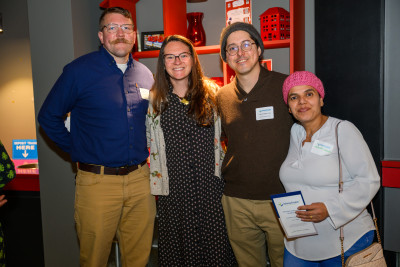 Turning Disruption Into Opportunity
The Gifford Foundation’s Embracing Disruption cohort program encourages nonprofits to view disruption as an opportunity instead of a setback. This program invites nonprofits to pause, assess, and realign their internal capacity with mission demands.
In practice, four nonprofits work through the Lifecycles Self-Assessment and Capacity Improvement Plan over a 15-month period, using shared learning, peer support, and collaborative consultant dialogue to strengthen long‑term sustainability. Grounded in the Nonprofit Lifecycles framework, participating organizations gain a structured way to understand where they are—and what they need next.
A Clearer Picture Through Lifecycle Assessment
To begin this work, each nonprofit begins with a comprehensive assessment to determine its Lifecycles stage and evaluate the four essential capacity areas – the Table Legs: Management, Governance, Business Model, and Administrative Systems.
This diagnostic process provides an impartial snapshot of organizational health. It’s the kind of clarity that allows leaders to move from reactive problem-solving to strategic decision-making. For many organizations, this is the first time they’ve seen their strengths and challenges mapped out in a way that is both honest and actionable.
The Power of Consultants + Cohort Learning
One of the most effective elements of the program is its dual support structure: each organization works with a dedicated Lifecycles-trained consultant and participates in a peer learning cohort. This combination accelerates growth by pairing expert guidance with shared accountability and community.
It’s a model that reflects NLI’s belief that capacity building is not a solo endeavor. Organizations grow stronger when they learn alongside others navigating similar challenges.
Lifecycle Principles in Action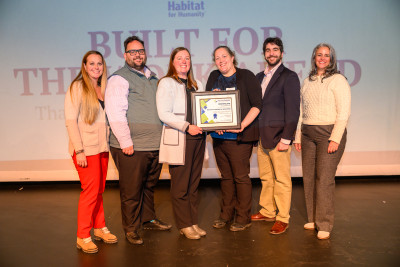
The impact of this partnership becomes clear when looking at the organizations that participated:
• Erie Canal Museum gained clarity through the Lifecycles assessment and realized the need to strengthen its administrative systems and modernize its collections database.
• Redhouse Arts Center benefited from impartial consultant-guided conversations to align board and staff around strategic priorities.
• Salt City Harvest Farm was in a transition period and gained clarity on strengthening key Capacity Table areas—Governance, Administrative Systems, Business Model, and Mission.
• Syracuse Habitat for Humanity identified staffing needs, improved systems, and strengthened board capacity, positioning the organization for sustainable growth.
Each story illustrates the same truth: when nonprofits understand their Lifecycle stage and invest in the right capacities, transformation follows.
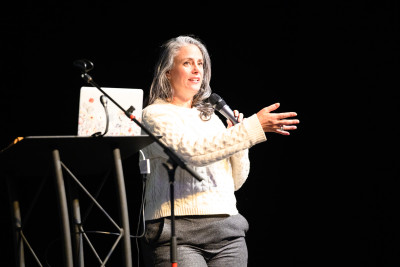 A Model for Long Term Strength
The success of the Gifford–NLI partnership underscores a powerful message for the philanthropic sector: capacity building is not a one‑time intervention. It’s an ongoing practice that requires honest assessment, targeted investment, and sustained support.
“By embracing this approach,” said Jennifer Bonnett, President and CEO of NLI, “funders like the Gifford Foundation are helping nonprofits build the internal strength they need to weather disruption, pursue opportunity, and deliver lasting impact.”
This shared commitment becomes even more powerful when funders, nonprofits, and consultants work together through a common framework—one that honors both mission and organizational health. When these partners align around capacity building, the entire community benefits.
Want to learn more? Our tools and services are here to help build nonprofit resilience.